Driving high-ticket leads to a medical aesthetics or weight loss clinic requires a massive monthly advertising budget. Marketing teams often execute campaigns perfectly, capturing high-intent prospects ready to buy. But then, a lead hits the clinic website and the entire process stalls out.
Understanding Custom Middleware and Clinic Architecture
Why Standard Plugins Fail in Healthcare
10 Features Standard MVP Apps Miss (And Custom Software Delivers)
Landing pages refuse to sync with the booking system. A doctor approves a prescription, but the pharmacy API times out. Front desk staff spend half their day manually copying patient data between isolated applications, apologizing to frustrated clients along the way.
When a clinic relies on a patchwork of disconnected software, that business is literally burning its advertising budget.
To scale a modern practice safely, owners must move away from off-the-shelf apps and build a unified digital ecosystem. Below, we break down exactly how targeted med spa custom software development stops these costly leaks. We will cover how custom middleware works, ten high-converting features standard apps completely miss, and the exact step-by-step process for building a secure, high-performing clinic architecture.
Understanding Custom Middleware and Clinic Architecture
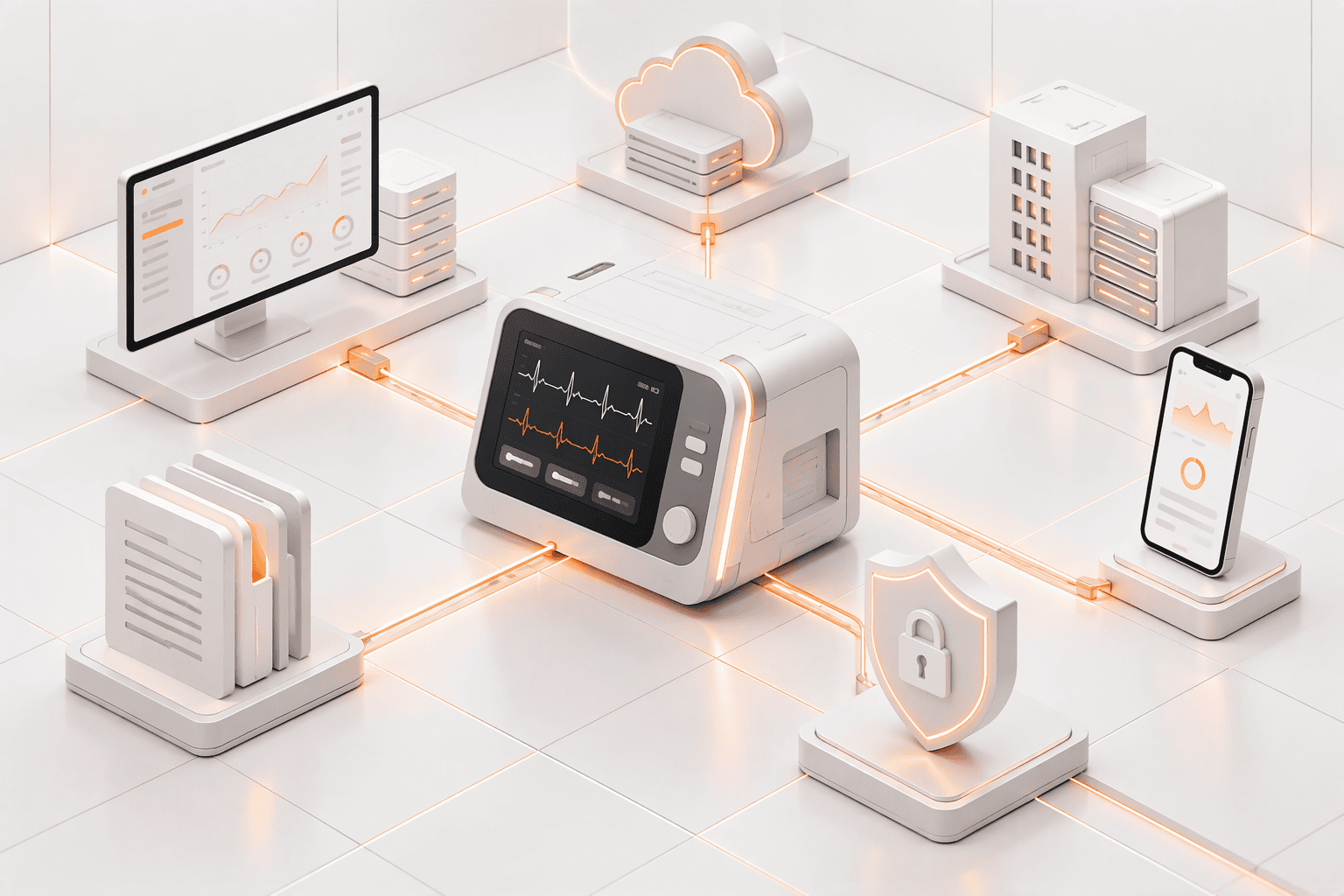
Think of custom middleware as the central brain and universal translator of clinic operations. Instead of forcing a marketing CRM, an electronic medical records system, payment processors, and external pharmacy networks to operate in separate silos, middleware sits directly in the middle of the tech stack.
When a prospective patient fills out an intake form on a landing page, the middleware captures that interaction immediately. It formats the raw data into the exact structure required by the medical aesthetics CRM and clinical booking system without any human intervention. When a doctor approves a prescription, the middleware automatically triggers an order via a stable API connection to the pharmacy network while simultaneously updating the patient’s mobile app.
This central architecture keeps the clinical, marketing, and administrative teams looking at the same real-time data. It ensures absolute data integrity across the entire business and eliminates manual data entry completely.
Why Standard Plugins Fail in Healthcare
Many clinic owners attempt to connect their software using basic vendor plugins or generic third-party automation tools. While these default integrations might work for a standard retail business, they fail miserably in high-volume medical environments.
Default plugins suffer from frequent timeouts during high-traffic promotional pushes. More importantly, they do not offer the strict security configurations required for handling sensitive healthcare data integration. Custom weight loss clinic software solves this by engineering a middleware layer specifically tailored for a unique clinical workflow. It includes encrypted data pipelines and server architecture that easily handles thousands of patient interactions without dropping a single lead.
Need professional help with building a medical aesthetics mobile app?
10 Features Standard MVP Apps Miss (And Custom Software Delivers)
When analyzing standard minimum viable product applications versus premium market leaders in the telehealth space, a massive gap in functionality appears. Standard platforms offer basic eligibility quizzes and simple email retention campaigns. To dominate the market and retain patients for years, basic is simply not enough.
By building custom medical aesthetic solutions, clinics can integrate specific features that off-the-shelf aesthetic practice management software cannot support. Here are ten game-changing features pulled directly from the digital setups of the most successful practices today.
1. Fully Customized Onboarding and Geolocation Filters
Standard apps offer a generic eligibility quiz and a basic intake form. Custom software takes this further with fully customized onboarding flows. More importantly, if campaigns run nationally, they will naturally attract leads located in states where the clinic’s physicians are not licensed to prescribe medication. Basic apps have no way to stop this. Custom middleware checks a user’s geographic location instantly based on their device data. It automatically blocks unqualified leads from entering paid funnels, automating legal compliance and saving thousands in wasted ad spend.
2. The Highly Profitable Short Flow Checkout
Standard medical intake forms force new leads to answer dozens of health questions before they ever see a checkout page. This outdated approach causes massive cart abandonment. Custom architecture enables a highly profitable short-flow onboarding process. A patient answers exactly two qualifying questions, completes their payment to secure the consultation, and then finishes their detailed health history afterward. This solves massive drop-off rates and secures the revenue immediately.
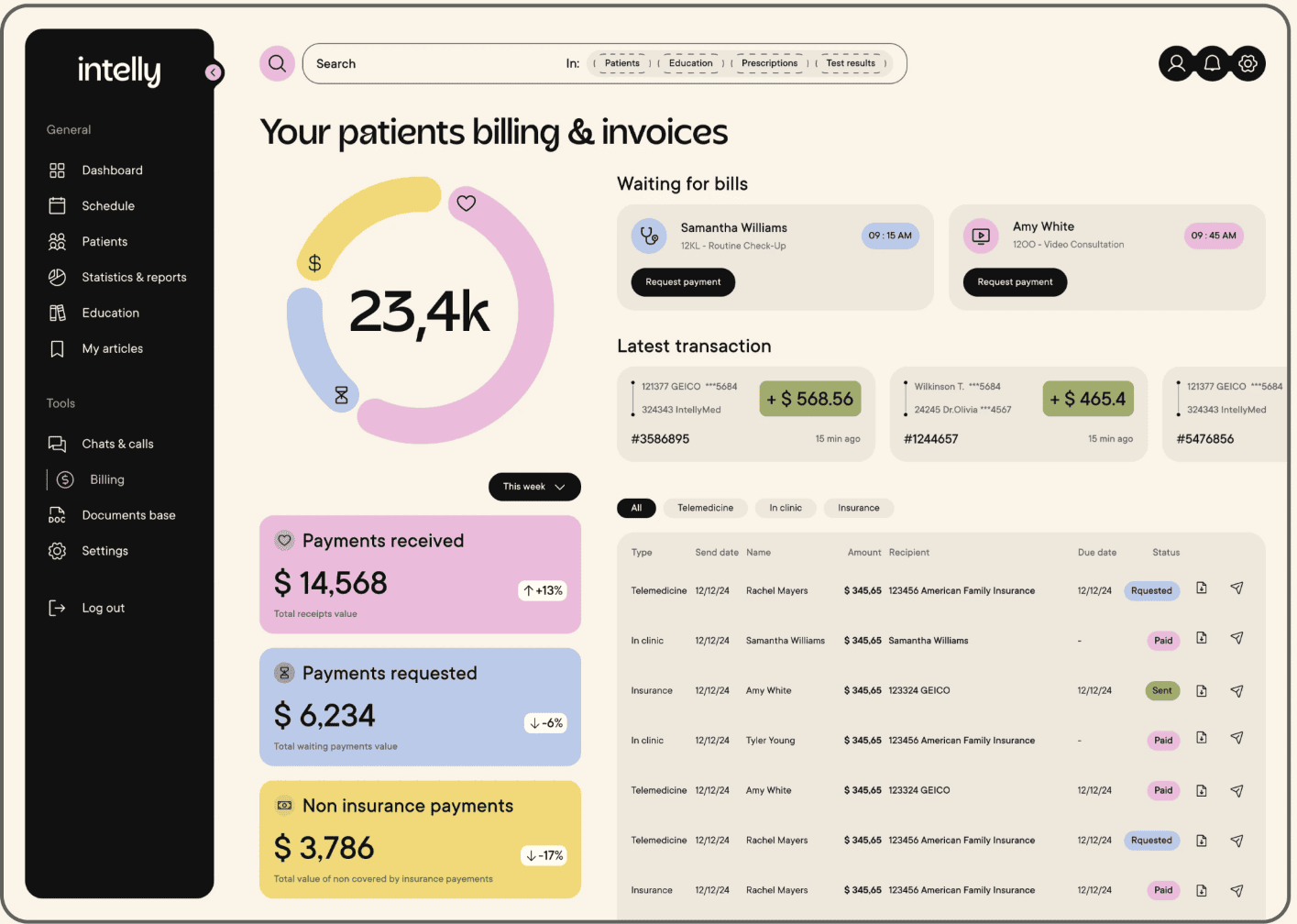
Example of Digital Wallets for Memberships feature: Intelly – Healthcare App UI & Branding By Sigma Software Design
3. Asynchronous Doctor Approvals and Video Consults
Booking a live video call creates friction for patients who just want a quick prescription refill. Standard applications often force this live interaction. Custom software allows for asynchronous doctor approvals. A patient fills out their medical update, and the system holds their payment in a pending state. A doctor reviews the file on their own time, confirms the prescription before payment is fully captured, and the software automatically processes the transaction. If a patient does need a live conversation, the custom app also handles direct booking for video consultations.
4. Advanced Pharmacy API Integration and Tracking
Relying on faxes or manual portal entries to send prescriptions is a massive liability. Standard apps experience frequent failures when trying to auto-sync with pharmacies. Custom software builds stable API connections directly with national compounding facilities. This integration allows patients to request a refill directly from the app. It also provides transparent prescription and delivery status tracking, so front desk staff stop fielding constant phone calls about missing shipments.
5. Strict Dosage Management and Injection Reminders
Patient safety is the top priority for any medical facility. Manual dosage tracking leaves room for dangerous human error, and basic apps offer zero safeguards. A custom platform enforces strict medical protocols by locking dosage escalations until a clinician explicitly reviews the chart. The software automatically restricts patients from requesting a dose that exceeds clinic guidelines. It also sends scheduled push notifications reminding patients exactly when to take their medications or administer their injections.
6. Complete Patient Health and Mood Tracking
Treatments like medical weight loss require daily accountability. Off-the-shelf tools limit clinics to basic weight and progress trend graphs. A custom native mobile application enables patients to log their daily weight trends alongside daily mood tracking. Capturing this continuous psychological and physical data gives the medical team a highly accurate picture of how well a patient is tolerating the treatment.
7. Custom Lab Sync and AI Nutrition Action Plans
Premium patients expect premium insights. A standard clinic app might let a user upload a quarterly lab result manually. Custom GLP-1 clinic software connects directly with major national lab networks to automatically track over 130 different biomarkers. Furthermore, custom software allows for calorie and barcode nutrition tracking, which dramatically improves patient results. Advanced platforms can even utilize custom AI to analyze these lab tests, generate a personalized biological age, and provide customized health action plans.
8. Secure Messaging and Lifestyle Coaching Subscriptions
Communicating with patients via standard text messages violates federal privacy laws. Custom software allows a clinic to build a secure, asynchronous messenger that connects patients directly with their clinical team. Practices can also monetize this daily engagement. Custom platforms make it possible to sell and manage nutrition and lifestyle coaching subscriptions directly through the app, creating an entirely new recurring revenue stream.
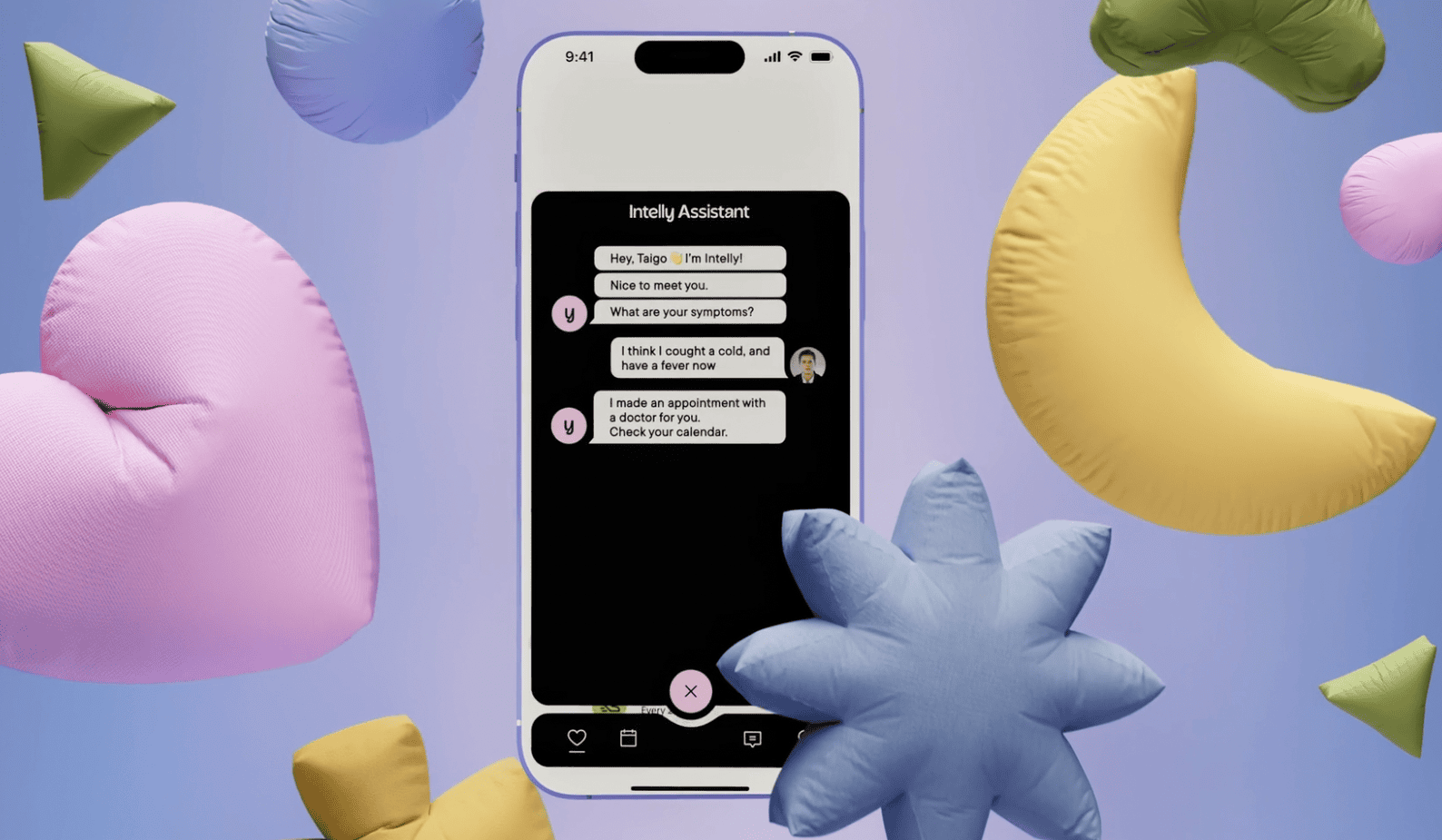
Example of Secure Messaging feature: Intelly – Healthcare App UI & Branding By Sigma Software Design
9. Gamification, Challenges, and Community Forums
Combating subscription churn is the biggest financial challenge in the aesthetic industry. Standard apps rely completely on basic email and SMS retention campaigns to save churning accounts. Custom apps incorporate gamification. Clinics can launch challenges and group activities that motivate patients to log their daily habits. A secure community support forum can also be hosted within the app, fostering deep patient support and brand loyalty.
10. Unified Marketing Dashboards and A/B Testing
Marketing directors need to know which advertising campaigns actually generate profitable patients. Disconnected software makes this impossible, hiding data behind internal-only systems. Custom software creates a unified system for all teams, providing an internal dashboard for marketing and doctors alike. It also allows the marketing department to run step-by-step A/B testing on onboarding forms to continuously optimize conversion rates based on hard data.
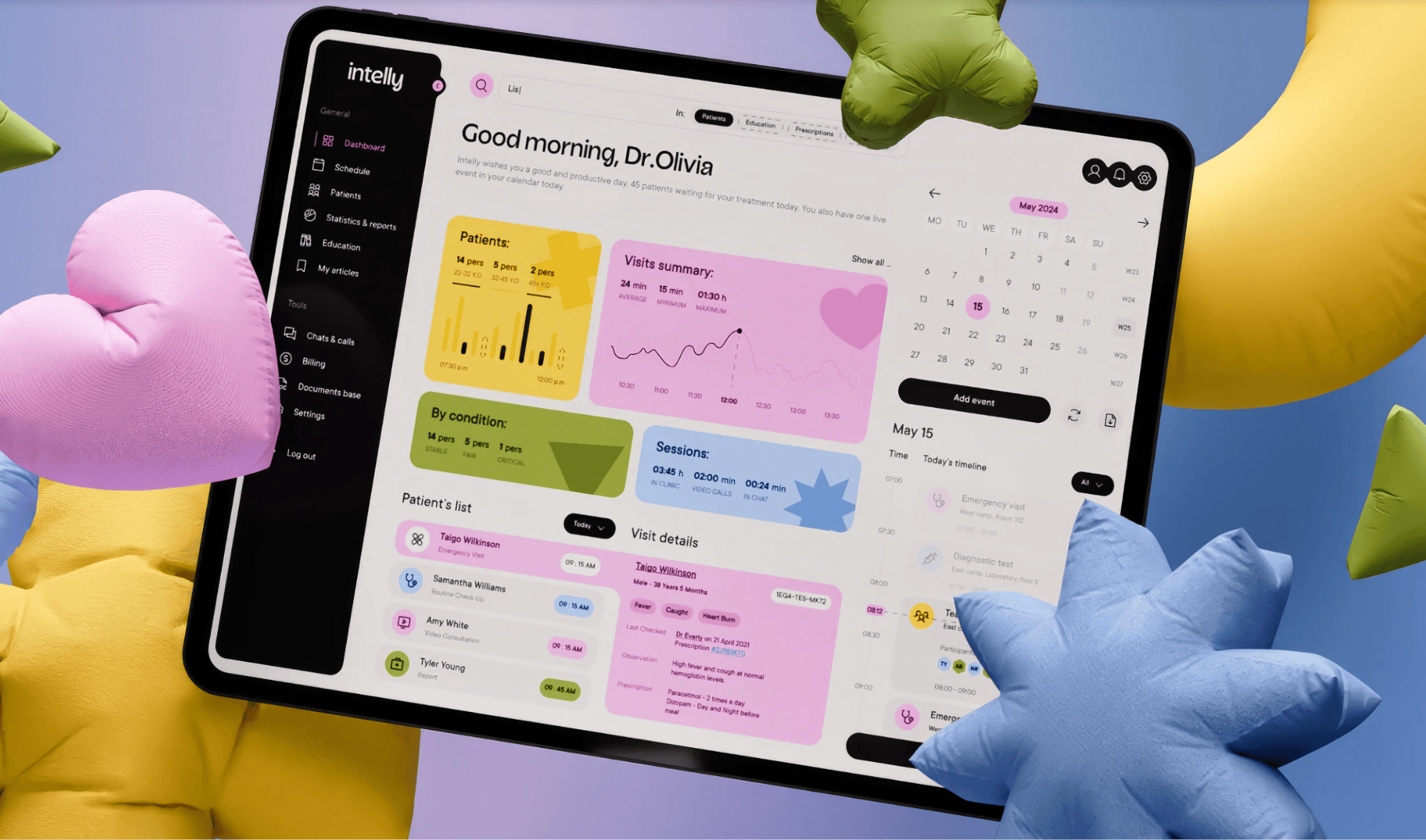
Example of Unified Admin Dashboard feature: Intelly – Healthcare App UI & Branding By Sigma Software Design
Need professional help with building a medical aesthetics mobile app?
The 6-Step Guide to Building Custom Clinic Architecture
Building an enterprise-grade custom medical platform requires a highly disciplined engineering process. Skipping steps leads to bloated budgets, severe compliance liabilities, and operational downtime. Here is the proven step-by-step blueprint for building a secure aesthetic patient tracking architecture correctly.
Step 1: The Technical Discovery Phase
The most critical step in software development happens before anyone writes a single line of code. During the technical discovery phase, senior software architects conduct a deep audit of current clinic operations. They interview marketing leaders, front desk staff, and clinical directors.
The goal of this discovery step is to document every software application currently in use and identify where operational bottlenecks occur. The engineering team reviews existing databases to understand how patient data is structured. The final deliverable from this phase is a comprehensive technical blueprint outlining the required system architecture, database models, API endpoints, and a strict project timeline. Skipping the discovery phase guarantees a software project will run over budget and fail to meet operational needs.
Step 2: Mapping the Data Pipeline
Next, engineers map every data junction point across the entire organization. This includes a step-by-step visual mapping of how a lead enters the marketing funnel, how initial payments are securely captured, how patient charts are generated inside the medical record, and how prescription requests are routed. Mapping this pipeline ensures absolute data preservation and highlights the exact points where custom automation will permanently replace manual data entry.
Step 3: Designing Secure API Infrastructure
With the data map finalized, developers design custom APIs that serve as the secure digital bridges between applications. Crucially, engineers must build automated failover and retry engines into this infrastructure. If an external pharmacy server goes completely offline during a massive promotional weekend, the custom middleware safely holds all incoming patient orders in an encrypted queue. The moment the third-party service recovers, the queue automatically processes the orders in sequence. This prevents lost sales and missing medication.
Step 4: Navigating HIPAA Compliance
Healthcare technology requires rigorous security engineering from the ground up. Custom software enforces strict compliance through end-to-end data encryption. Data is encrypted both in transit and at rest. Developers also implement strict role-based access controls. This ensures marketing team members only see aggregated campaign metrics, while protected health information remains physically accessible exclusively by authorized medical personnel.
Step 5: Testing and Quality Assurance
Development happens in manageable sprints. Quality assurance engineers run rigorous testing suites continuously throughout the build process. This includes automated load testing to guarantee the platform can handle massive traffic spikes during seasonal marketing campaigns. Security penetration testing is also conducted by professional ethical hackers to identify and patch potential vulnerabilities long before real patients log into the system.
Step 6: The Phased Rollout Strategy
Launching a new core digital platform should never disrupt active clinic operations. A phased deployment strategy runs the new custom architecture in parallel with legacy systems. Developers test data synchronization in real-world conditions quietly behind the scenes. Once the data accuracy is verified, traffic is gradually migrated over to the new system. The clinic staff gets a significantly faster system with absolutely zero operational downtime.
Stop Letting Bad Tech Limit Growth
Relying on fragmented, off-the-shelf clinic software creates an artificial ceiling on revenue. It forces highly paid staff to act as human data connectors, frustrating patients and burning advertising budgets on broken landing pages.
By investing in custom middleware and tailored applications, clinic owners replace daily operational chaos with total automated precision. It entirely eliminates expensive data entry errors, protects the marketing budget, and gives patients a frictionless digital experience that keeps them coming back month after month.
Contact a specialized software engineering team today to schedule a technical discovery phase. Fixing a broken digital pipeline is the ultimate step toward building a dominant, highly profitable medical aesthetics practice.
Need professional help with building a medical aesthetics mobile app?