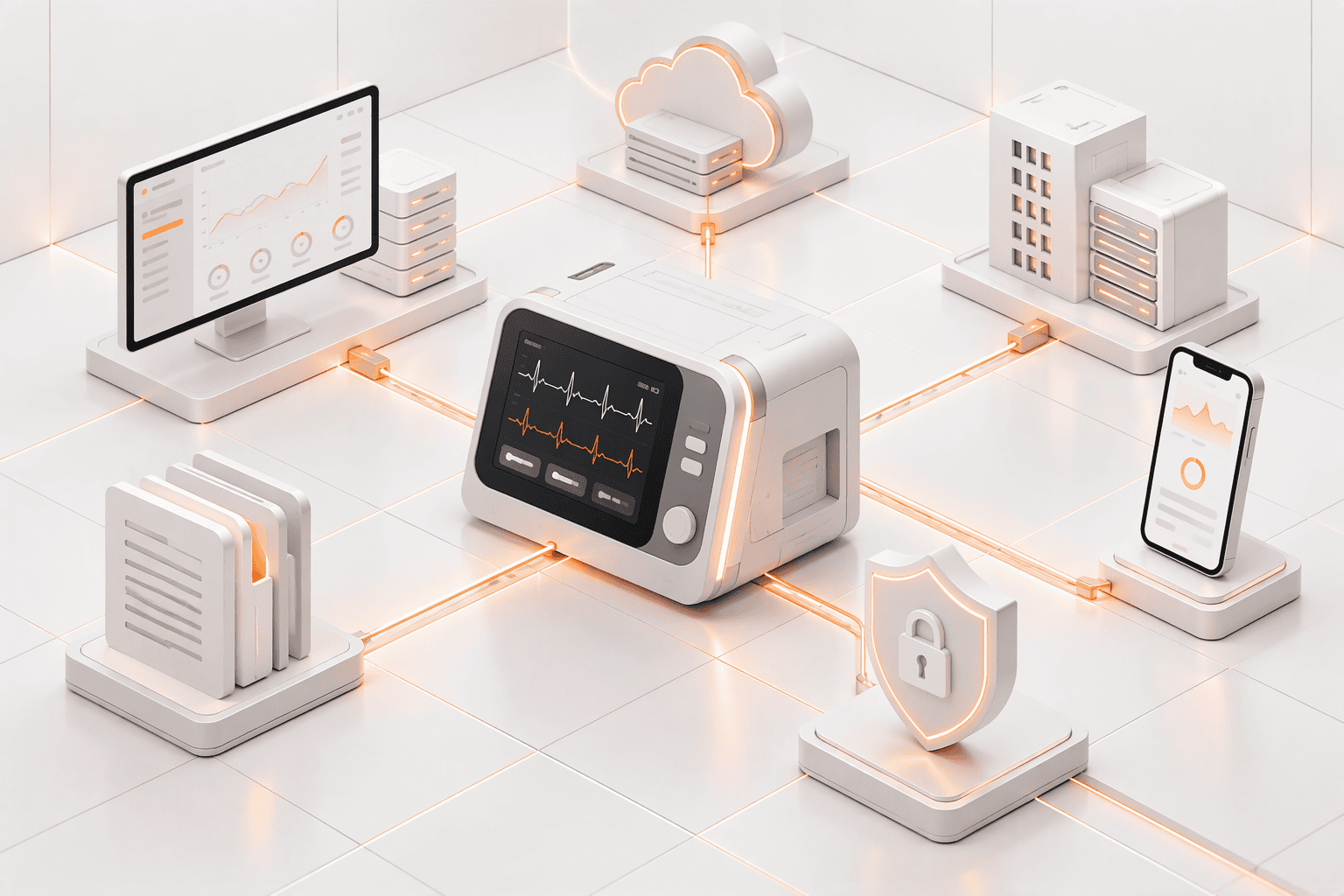
Running a busy med spa or medical weight loss clinic involves a lot of moving parts. Your marketing team brings people in, your clinical staff handles the treatments, and the front desk juggles the schedule. But as your practice grows, your software often cannot keep up.
Why Disconnected Med Spa Software Integration Costs You Money
Instead of a smooth workflow, you end up with a messy patchwork of tools that do not talk to each other. This setup does more than just cause headaches. It drains real money. When you spend thousands on ads for GLP-1 weight loss programs or anti-aging injections, a clunky tech stack can kill the sale before it even happens.
Whether you run a full-service med spa or focus strictly on prescription treatments, the problem is the same. Let us look at how disconnected systems drain your profits and why upgrading to unified aesthetic practice management software is the only real fix.
Why Disconnected Med Spa Software Integration Costs You Money
Most modern clinics use a mix of digital tools. You might have a lead generation app, a medical aesthetics CRM for booking, an electronic health record (EHR) system for charting, and separate billing software. The problem is that right out of the box, these systems rarely talk to each other.
A Broken Patient Workflow
Think about what happens when a new lead comes in. A potential patient clicks an ad for a GLP-1 program or skin treatment and lands on a promo page. They fill out a quick form. Because that landing page lacks proper med spa software integration with your main CRM, the lead just sits there in an isolated marketing database.
Next, a receptionist has to manually copy and paste that lead’s information into your booking system. When the patient finally walks through the door, you hand them a paper form or an iPad to fill out their medical history all over again. Why? Because the booking software does not sync with the clinical dashboard. Every step needs human help. This slows things down, creates a sloppy first impression, and causes leads to drop off before they spend a single dollar.
Losing Track of Aesthetic Patient Tracking
Disconnected systems also create massive blind spots in your data. To justify your marketing budget, you need clear numbers. But if your marketing software cannot talk to your billing system, pulling accurate reports is impossible.
These blind spots make it incredibly hard to figure out your true customer acquisition cost and the lifetime value of a patient. Your marketing team might celebrate getting 50 cheap leads. However, if you cannot track those leads through your medical aesthetics CRM to see who actually bought a subscription or a package of injections, that data is useless. Without centralized aesthetic patient tracking, you might be pouring money into ads that bring in clicks, but zero actual revenue.
Need professional help with building a medical aesthetics mobile app?
The Real Price of Manual Data Entry
When your software is fragmented, your staff has to bridge the gap. They become human copy-and-pasteers. This places a huge, often ignored financial burden on your clinic.
The Payroll Drain
Think about the time your team spends moving data around. It is a direct payroll loss. If a receptionist spends two hours a day moving patient details from intake forms to the clinical dashboard, that is 10 hours a week. At a standard hourly rate, you are paying thousands of dollars every month just to copy and paste records. For multi-location practices, this waste multiplies fast and eats right into your profit margins.
What Your Staff Should Be Doing
The true cost of manual data entry goes way beyond basic payroll. The opportunity cost is massive. Your front desk team is the face of your business. They should be focused on upselling treatments, recommending skincare products, and giving patients a luxury experience.
When you force them to act as human data connectors, they cannot focus on sales. A receptionist staring at a screen to fix a mismatched file is a receptionist ignoring the patient standing right in front of them. Good weight loss clinic software automates this data flow, letting your staff focus on what matters: patient care and revenue generation.
Broken APIs and Lost Patients
When software is just loosely glued together, things will eventually break. In a medical setting, these crashes hurt patient safety and ruin your brand’s reputation.
The Danger of Silent Tech Failures
Off-the-shelf software usually relies on fragile API connections. Consider a common scenario for a weight loss clinic. A doctor finishes a consult and prescribes the system. This should automatically send an order to an outside pharmacy partner.
If the integration breaks, the pharmacy never gets it. The system does not warn you, so you assume everything is fine. You only find out days later when an angry patient calls asking where their medication is. These silent failures happen all the time when your tech stack is fragmented.
Ruining the Luxury Experience
Tech failures directly hurt the patient experience. Missed follow-ups, lost prescriptions, and making people fill out the same forms twice make your clinic look unprofessional. Patients paying top dollar for injectables or wellness plans expect a smooth, high-end experience.
If a patient has to call you three times to fix a digital glitch, they lose trust in you. In this competitive market, they will simply cancel their plan and go to a competitor whose tech actually works.
The Fix: Custom Software for Aesthetic Clinics
Fixing this mess requires a real shift in how you set up your digital tools. Basic workarounds just do not cut it anymore for growing practices dealing with high-volume subscriptions and sensitive health data.
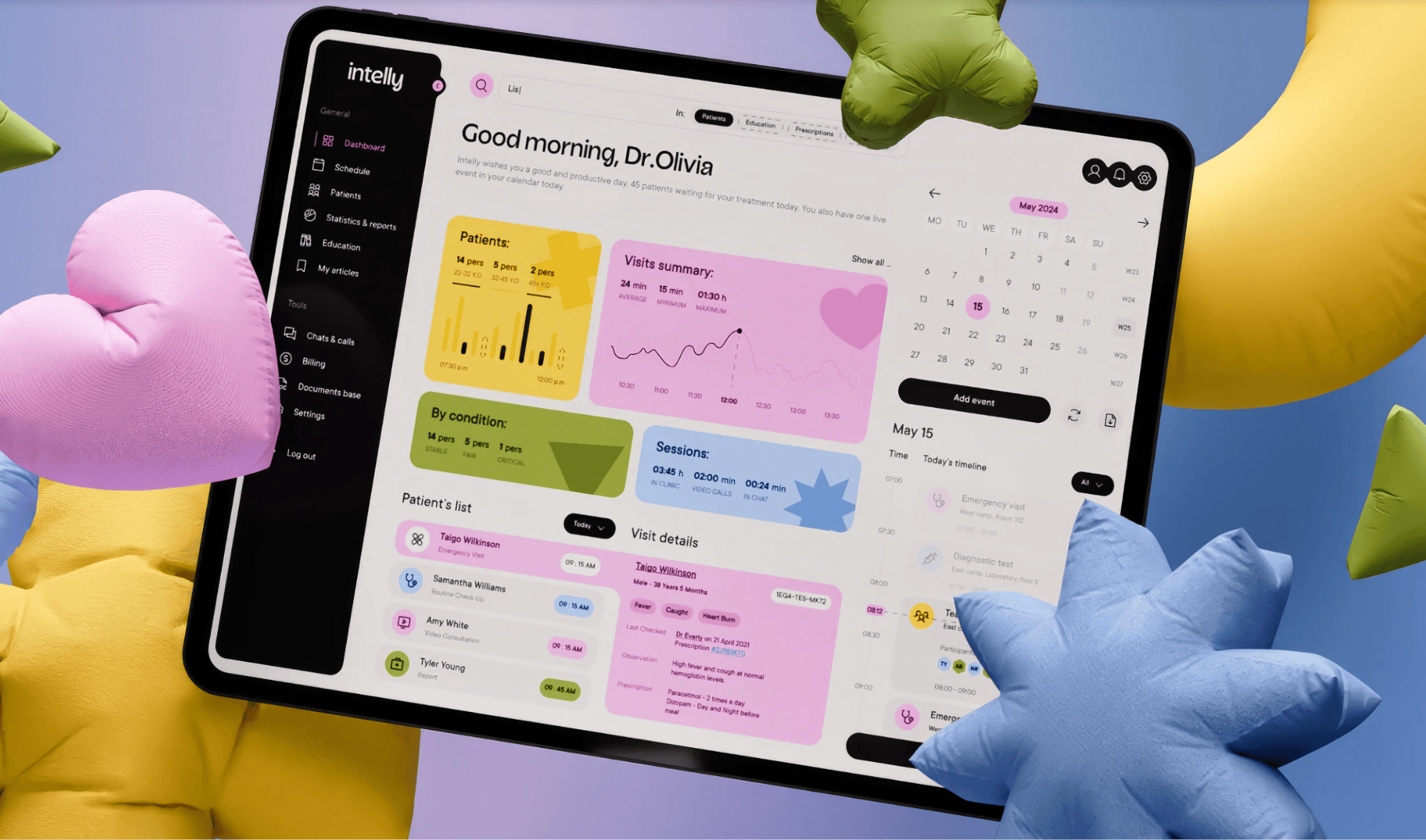
Example of Unified Admin Dashboard feature: Intelly – Healthcare App UI & Branding By Sigma Software Design
Why Cheap Automation Fixes Do Not Work
Many clinic owners try to fix the problem by using cheap, third-party automation tools to connect their marketing and clinical software. This might work for selling retail products online, but it is a disaster for medical aesthetics.
Using standard automation tools for patient records creates huge compliance risks. These platforms usually lack the strict security needed for HIPAA compliance. Plus, they frequently crash or time out during busy promotions. Sending private health data through basic tools puts your whole clinic at risk for massive fines.
How Custom Aesthetic Clinic Software Solves the Problem
The only permanent fix is investing in custom middleware and tailored digital platforms. A specialized development team can build custom software for aesthetic clinics that sits securely between your landing pages, CRM, EHR, and pharmacy APIs.
This acts as a secure translator, moving data instantly and accurately without human help. Here is what a well-built custom setup actually does for your bottom line:
- Automates State Compliance: Custom rules check a patient’s location against state medical laws before they even hit the booking page. This stops you from wasting ad spend on out-of-state leads you cannot legally treat.
- Bulletproofs Pharmacy APIs: Custom API connectors come with automatic error alerts. If a prescription gets stuck between the clinic and the pharmacy, your team gets notified instantly.
- Creates Unified Executive Dashboards: Centralized reporting pulls clean data from your marketing, billing, and clinical software into one screen. Finally, you get real numbers on your customer acquisition cost and patient lifetime value.
- Ends Manual Data Entry: Automated intake flows sync consult notes, health histories, and subscription renewals instantly. Your front desk can finally focus on making money in the clinic.
By trading in your disjointed tools for true aesthetic practice management software, you protect your profit margins. You eliminate expensive administrative mistakes and give your patients the seamless, luxury digital experience they expect.
Need professional help with building a medical aesthetics mobile app?